
Effective Methods for Reducing Airborne Particles and Waste
Managing dust and debris during concrete work is crucial. This not only ensures safety but also helps in maintaining a clean environment. Proper strategies can significantly reduce the mess created by such projects. This article explores effective methods that help keep dust and debris at bay, offering practical solutions to contractors and site managers.
The Importance of Dust Control
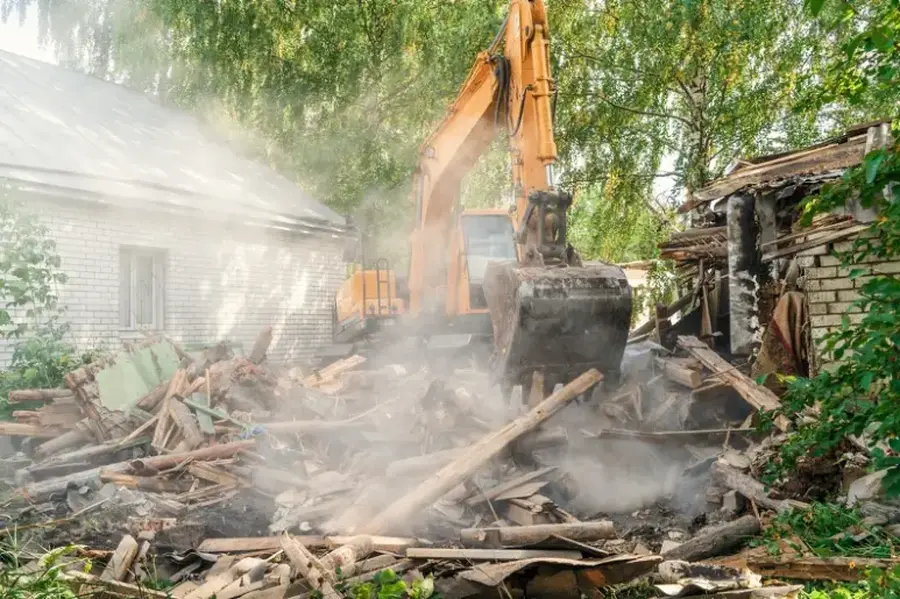
Dust control is essential for both health and environmental reasons. Excessive dust can cause respiratory problems and skin irritation. It can also harm the local ecosystem. By minimizing dust, you protect workers and nearby residents from potential health risks. Effective dust management also meets regulatory standards and improves job site efficiency.
Challenges in Managing Concrete Debris
Handling debris is a significant challenge during concrete demolition. The process generates large amounts of waste, which can be difficult to manage. Proper planning is necessary to ensure efficient disposal. This involves sorting materials for recycling or reuse where possible. Failing to manage debris properly can lead to increased costs and project delays.
Using Water as a Dust Suppressant
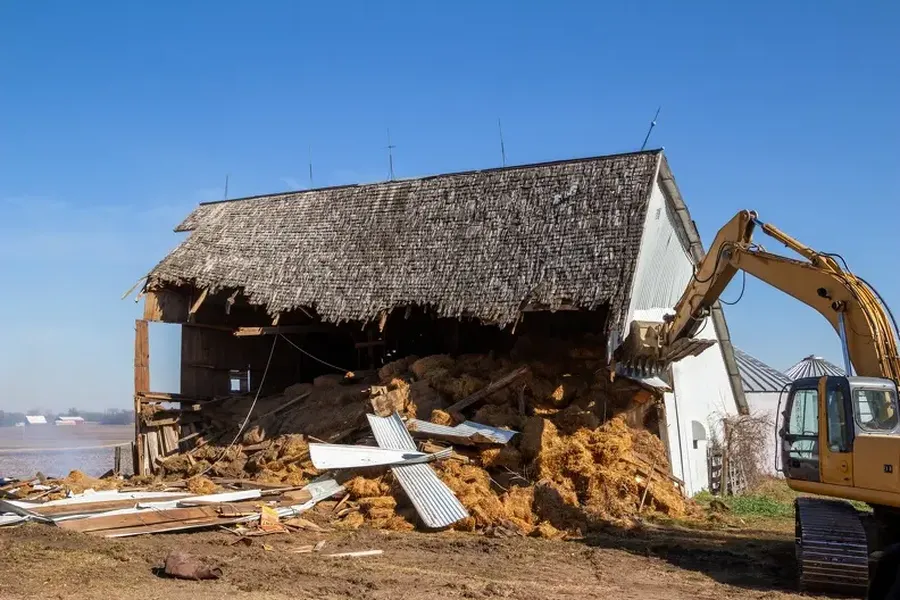
Water is a simple yet effective tool for controlling dust. Spraying water on concrete surfaces before and during cutting helps suppress dust clouds. This technique reduces airborne particles effectively without requiring complex equipment. It’s an affordable solution that minimizes health risks associated with dust inhalation.
Implementing Industrial Vacuums
High-efficiency industrial vacuums are excellent for keeping dust levels low. These machines capture fine particles directly from the source, preventing them from spreading into the air. They are particularly useful in enclosed spaces where ventilation may be limited. Investing in quality vacuums can save time and improve working conditions on-site.
Employing Proper PPE
Personal protective equipment (PPE) is vital for worker safety during concrete demolition tasks. Workers should wear dust masks, goggles, and gloves to protect against harmful particles. Providing proper PPE ensures compliance with safety regulations and protects workers’ health. It’s an easy step that can prevent long-term health issues.
Planning Efficient Waste Disposal
Efficient waste disposal plans reduce clutter and keep the work area safe. Consider using dumpsters or designated storage areas to organize debris efficiently. Recycling materials like metal and stone not only benefits the environment but can also reduce disposal costs. A well-thought-out plan keeps projects running smoothly.
Innovative Methods for Minimizing Construction Waste
- Use of reusable formwork
- Design optimization to reduce material usage
- On-site crushing for reusing concrete fragments
- Source-separation of recyclables during cleanup
Avoiding Common Pitfalls in Dust Management
- Lack of adequate preparation can lead to excess dust formation.
- Ignoring weather conditions might make dust control harder.
- Poor communication among team members increases mishaps.
- Failing to maintain equipment causes inefficiencies.
Conclusion: Keeping Your Site Clean and Safe
Implementing these strategies ensures reduced dust and debris during your projects. You enhance safety and productivity while meeting environmental standards. For expert advice, contact JV Construction and Concrete Services at (432) 381-4881. We operate out of Odessa, TX, supporting various construction needs with precision.