
The Role of Solid Groundwork in Construction Projects
A solid foundation is crucial for any construction project. It ensures stability and durability, providing a base that can support the weight and stress of a building over time. Without a strong base, even the most beautiful structures are at risk of failure. A stable groundwork is not just about strength but also safety, as it prevents issues like settling or shifting. This article will explore why having a dependable base is essential and how it benefits various aspects of construction.
Ensuring Structural Integrity
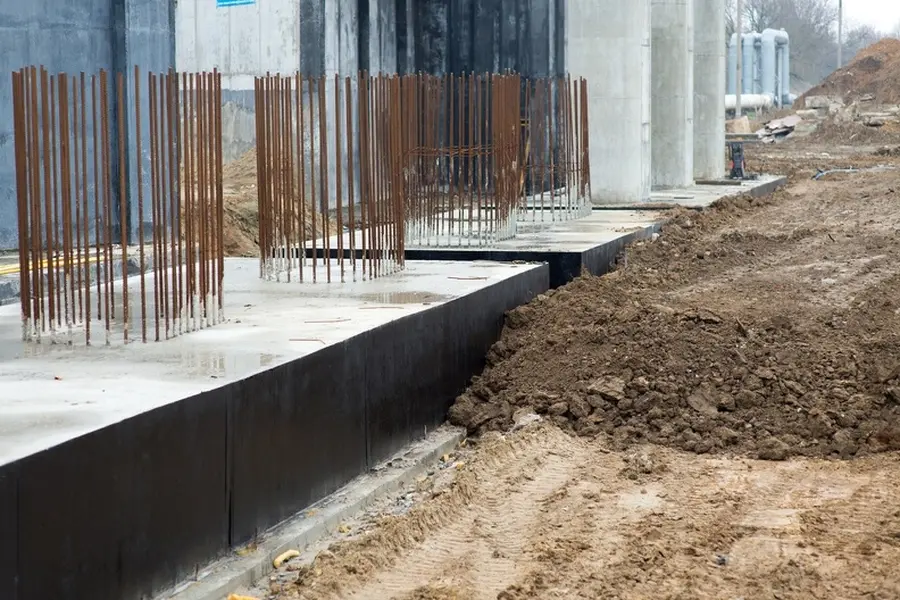
When discussing buildings, the term “Concrete Foundation” often comes up. This type of foundation plays a significant role in maintaining structural integrity. By distributing the weight evenly across its base, it minimizes the risk of uneven settling that could lead to cracks or other damage. A well-laid foundation ensures that the structure remains upright and safe for years.
Cost Efficiency Over Time
Another advantage of choosing a concrete foundation is its cost-effectiveness. While the initial investment may seem high, it pays off by reducing long-term maintenance costs. Repairs related to foundational issues can be expensive and intrusive. By investing in quality materials from the start, you avoid unnecessary expenses down the road.
Protecting Against Environmental Factors
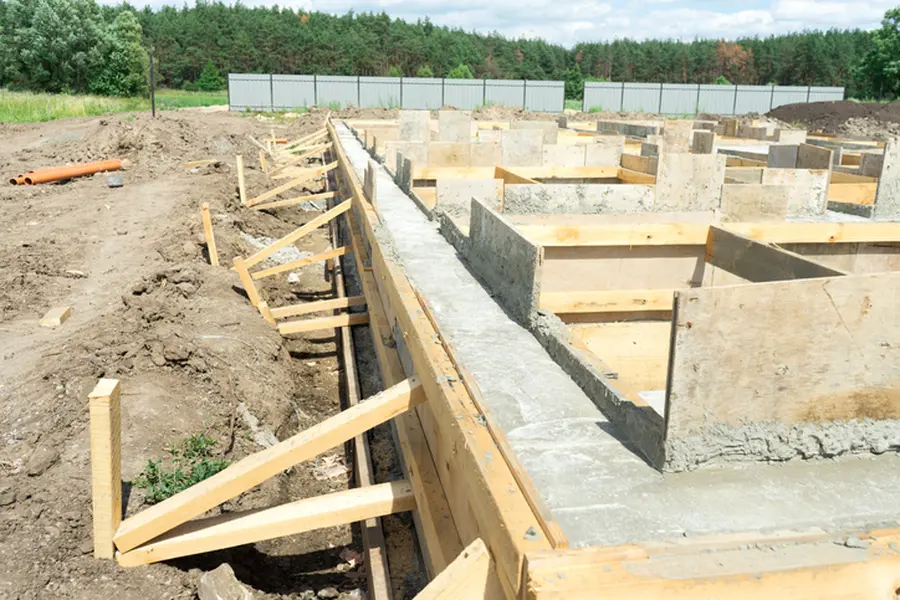
One cannot overlook the importance of a sturdy concrete foundation in shielding buildings from environmental factors. Whether it’s heavy rain, wind, or seismic activity, a good foundation offers protection against these elements. It acts as a barrier that keeps moisture out, preventing dampness and mold growth inside the building.
Enhancing Property Value
A well-built foundation doesn’t just protect your home; it also enhances property value. Buyers are more likely to invest in properties with reliable foundations because they promise fewer problems in the future. Thus, spending on a robust base not only saves money on repairs but also boosts resale value.
Common Mistakes in Foundation Building
A common error when installing foundations involves inadequate soil testing. Failing to understand soil composition can lead to poor decisions about foundation types and materials. Moreover, neglecting proper drainage systems can result in water accumulation, compromising the foundation’s stability.
Steps to Ensure a Strong Foundation
To achieve a durable foundation, follow these steps:
- Conduct thorough soil analysis before starting construction.
- Choose appropriate materials based on environmental conditions.
- Ensure proper drainage around the foundation area.
- Consult with professionals who have expertise in local building codes.
Expert Recommendations for Maintenance
Maintaining your foundation is as important as building it correctly. Regular inspections help identify potential problems early. Look for signs of cracking or moisture intrusion and address them promptly. Additionally, ensure that gutters and downspouts direct water away from your base to prevent erosion.
Understanding Industry Standards
Various industry standards dictate how foundations should be built and maintained. Familiarize yourself with these regulations to ensure compliance and quality assurance. Adhering to standards like those set by ASTM International helps guarantee that construction meets safety and performance criteria.
Your Path to Quality Construction Begins Here
If you’re planning a construction project, prioritize your foundation’s quality from the start. A strong base leads to safer, longer-lasting buildings and increases property value. Consider consulting experts who understand local conditions and adhere to industry standards. Contact JV Construction and Concrete Services at (432) 381-4881 for professional guidance. Based in Odessa, TX, our team specializes in delivering reliable construction solutions tailored to your needs.